
Color Theory's 350-Year Path From Prisms to Hex Codes
From light wavelengths to RGB values
Isaac Newton split white light through a prism in 1666, mapping the visible spectrum. But this didn't immediately help painters mix pigments. They worked empirically, grinding minerals and testing combinations on canvas.
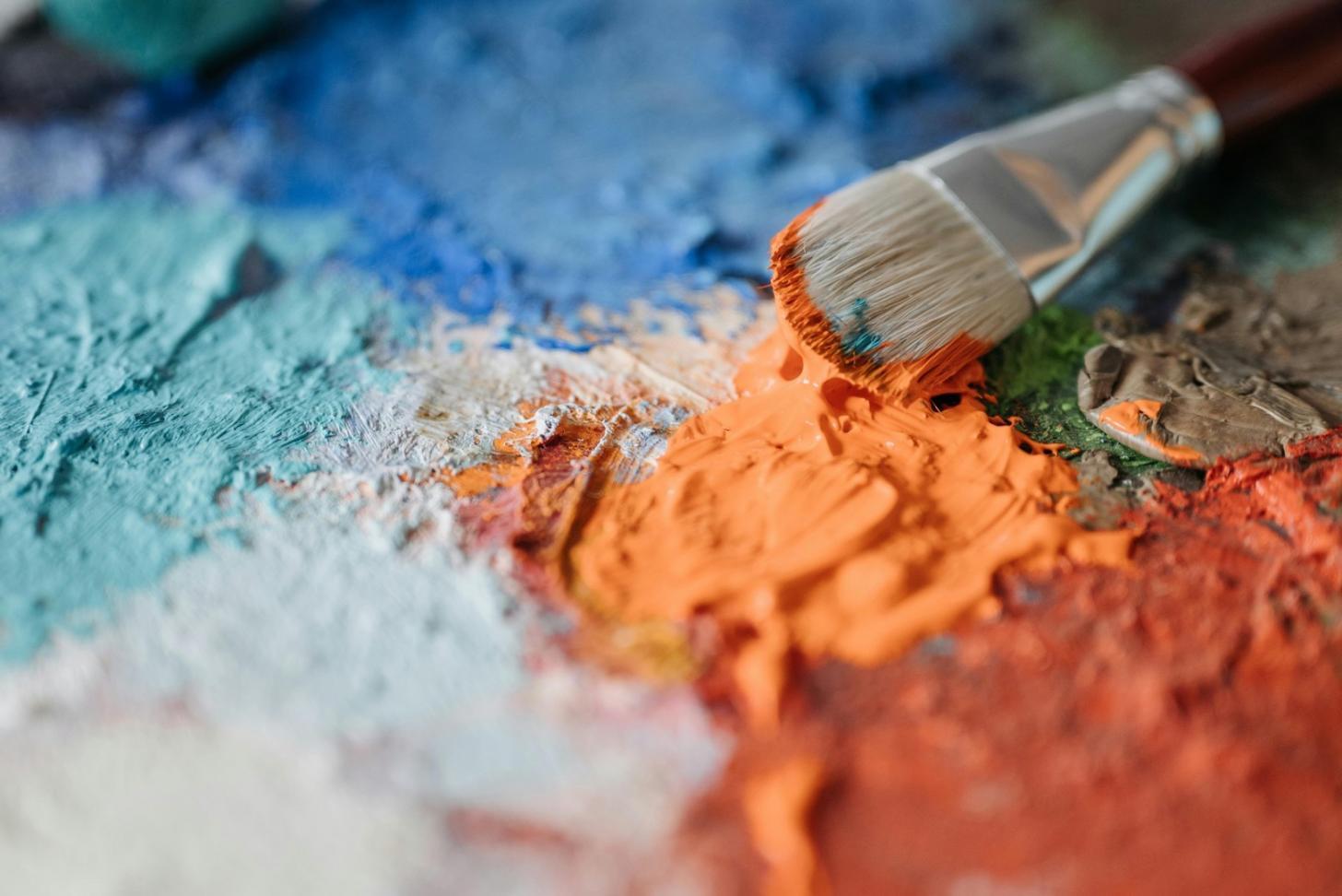
The breakthrough came in 1810 when Goethe published his color wheel showing complementary pairs. Artists finally had a framework: put orange opposite blue, watch them intensify each other. Schools began teaching systematic color relationships instead of apprentice-style trial and error.
Albert Munsell quantified everything in 1905 with his three-dimensional color system: hue, value, chroma measured numerically. Illustrators could now specify exact colors through coordinates rather than vague descriptions like 'crimson' or 'forest green.'
Digital tools arrived in the 1990s. Photoshop's color picker displayed RGB values, HSB sliders, hex codes simultaneously. You could sample any pixel and replicate it precisely across projects.
The irony? With infinite digital colors available, illustrators often limit palettes deliberately. Those 18th-century complementary color principles still determine what looks harmonious versus chaotic. Technology expanded options but didn't change how human perception processes color relationships.
Want to Learn More?
Explore our illustration fundamentals masterclasses and start your creative journey with expert guidance.
Get in Touch